



Blog
Organic Products: Benefits and Why They’re the Best Choice

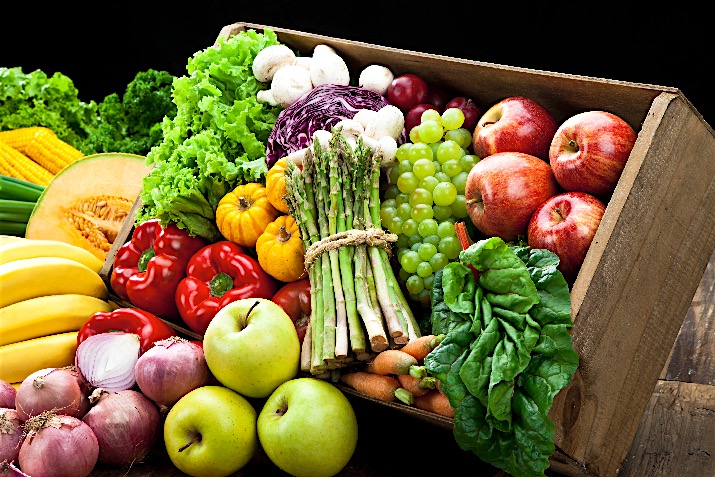
Organic Products: Benefits and Why They’re the Best Choice
In recent years, organic products have moved from specialty health food stores to mainstream supermarket shelves. More consumers are questioning what goes into their food, how it’s grown, and what impact their choices have on the environment. This shift isn’t just a passing trend—it reflects a growing awareness that what we put on our plates and our skin matters.
But what exactly makes a product organic? How can you tell if that olive oil or shampoo on the shelf is genuinely certified? And are the higher prices justified? This guide breaks down everything you need to know about organic products, from farming practices to smart shopping strategies.
Key Takeaways
- Organic products are produced without synthetic pesticides, chemical fertilizers, GMOs, or routine antibiotics, following strict certification standards enforced by independent bodies.
- The organic category extends beyond food items like grains, dairy, and olive oil to include personal care products such as shampoos, soaps, and body scrubs made with jojoba, shea butter, and coconut oil.
- Main benefits include reduced chemical exposure, potentially higher antioxidant content in certain produce, fresher natural taste, and lower environmental impact through sustainable farming methods.
- Authentic organic products carry official certification marks like the USDA Organic seal in the United States or the EU green leaf logo in Europe—always check for these rather than relying on vague terms like “natural.”
- While organic products often cost more, they represent a long-term investment in personal health, family well-being, and environmental protection.
What Are Organic Products?
Organic products are foods and goods produced under strict farming and processing rules that exclude synthetic pesticides, chemical fertilizers, and genetically modified organisms. These standards ensure that what reaches your kitchen or bathroom has been grown and handled according to verified sustainable practices.
Organic certification standards were formalized in many countries around the early 2000s. In the United States, the USDA National Organic Program regulations took full effect in 2002, while the EU organic logo was officially introduced in 2010. These frameworks established clear rules that producers must follow to legally use the term “organic” on their products.
The range of organic products available today is remarkably broad:
- Fresh produce: Apples, spinach, tomatoes, berries, and leafy greens
- Pantry staples: Rice, wheat, oats, lentils, and cooking oils
- Animal products: Milk, eggs, beef, chicken, and cheese
- Processed foods: Pasta sauces, jams, snacks, and beverages
- Personal care: Soaps, shampoos, conditioners, shower gels, and body butters
- Household goods: Organic cotton clothing and towels
Non-food organic products have become increasingly popular. You can now find organic lotions made with shea butter, exfoliating scrubs with coconut oil, and gentle shampoos featuring olive oil extracts. These items follow similar principles—avoiding synthetic additives and relying on naturally derived ingredients.
Organic production is audited and verified by independent certifying bodies. In the U.S. alone, there are 55 domestic and 40 international USDA-accredited certifiers who regularly check farms, processing plants, and labels to ensure compliance.
How Organic Farming Works
Organic farming centers on building healthy soil, supporting biodiversity, and working with natural cycles rather than fighting against them with chemical inputs. This approach requires more planning and hands-on management, but it creates agricultural systems that can sustain themselves over the long term.
Crop Rotation Practices
Instead of growing the same crop year after year, organic farmers rotate different plants through their fields. For example, a farmer might grow wheat one season, then switch to legumes like lentils or chickpeas the next. This practice naturally fixes nitrogen in the soil—legumes can add up to 200 kilograms of nitrogen per hectare through their root systems—reducing the need for any fertilizer inputs while breaking pest and disease cycles.
Organic Fertilization Methods
Rather than applying synthetic nitrogen fertilizers, organic farmers build soil fertility through:
- Composted animal manure from organically raised livestock
- Crops planted specifically to be incorporated back into the soil to naturally enrich it
- Plant-based compost made from crop residues and organic waste
- Cover crops that protect and enrich the soil between main growing seasons
These methods increase soil organic matter to 3-6% compared to just 1-2% in conventionally farmed fields, which dramatically improves water retention and soil structure.
Biological Pest Control
Organic farms manage pests without synthetic insecticides by using natural predators and deterrents:
- Releasing ladybugs to control aphid populations
- Installing pheromone traps to catch fruit moths before they damage crops
- Planting marigolds around tomatoes to reduce harmful nematodes in the soil
- Maintaining hedgerows that shelter beneficial insects like predatory wasps
Studies show this biological control methods can reduce pest pressure by 50-70% without any synthetic chemicals.
Livestock Standards
Organic cows, chickens, and sheep must have access to outdoor areas, receive 100% organic feed, and cannot be given routine growth hormones or preventive antibiotics. Animals can only receive medical treatment when actually sick, and there are strict withdrawal periods before their products can be sold as organic.
Organic farms must also maintain buffer zones away from conventional fields to prevent contamination from pesticide drift or fertilizer runoff.
Types of Organic Products You Can Buy
Organic options are now widely available in supermarkets, specialized stores, and online platforms. Whether you’re looking for basic groceries or luxury skincare, you can find certified organic alternatives for almost any product category.
Everyday Organic Foods
| Category | Examples |
| Grains and Cereals | , brown rice, Rolled oats, quinoa, and whole wheat flour |
| Oils | Extra virgin organic olive oil, coconut oil, sunflower oil |
| Dairy | Organic yogurt, cheese, butter, milk |
| Legumes | Lentils, chickpeas, black beans, split peas |
| Beverages | Organic coffee, tea, fruit juices, plant milks |
| Snacks | Dark chocolate, cookies, dried fruits, nut butters |
Organic Personal Care Items
The personal care market has embraced organic formulations with products that avoid synthetic fragrances, parabens, and sulfates:
- Hair care: Shampoos and conditioners with olive oil and jojoba for natural moisture
- Body care: Creamy body butters made from shea and mango butter
- Exfoliating scrubs: Made with sugar or salt blended with coconut oil
- Facial care: Mild soaps with aloe vera and chamomile extracts
Household and Lifestyle Goods
Beyond food and skincare, organic options extend to:
- Organic cotton towels, bedding, and clothing
- Organic herbal teas and specialty coffee
- Organic baby care products including fragrance-free lotions and gentle shampoos
Some brands focus entirely on organic formulations, clearly marking their products as “100% organic” or “made with organic ingredients” depending on certification rules. When you shop for these items, look for the certification details on the packaging.
Health Benefits of Organic Products
Scientific research from the 2010s onward suggests certain advantages to organic diets, though it’s worth noting that overall balanced nutrition remains the foundation of good health. The benefits of organic choices work best as part of a broader commitment to eating well.
Reduced Exposure to Pesticide Residues
One of the clearest benefits of choosing organic is lower exposure to synthetic pesticide residues. Testing consistently shows that organic strawberries and spinach contain far fewer synthetic residues compared to conventionally grown versions. While conventional produce residues typically fall within legal safety limits, many consumers prefer to minimize their cumulative exposure over time.
Higher Levels of Beneficial Compounds
Research has found, on average, higher levels of some antioxidants and polyphenols in organic fruits and vegetables. This is particularly notable in:
- Berries (blueberries, strawberries, raspberries)
- Leafy greens (spinach, kale, lettuce)
- Tomatoes and peppers
These compounds are associated with reduced inflammation and cellular protection, though the magnitude of the difference varies by study and growing conditions.
Hormone- and Antibiotic-Free Animal Products
Organic milk and meat must come from animals raised without routine growth hormones and with very limited antibiotic use. This matters because:
- Overuse of antibiotics in conventional livestock contributes to antibiotic-resistant bacteria
- Synthetic hormone residues in food have raised health questions among researchers
- Organic animal welfare standards often result in healthier animals overall
Gentler on Sensitive Skin
Certified organic lotions, soaps, and shampoos typically avoid synthetic fragrances, parabens, and sulfates. For people with reactive skin or allergies to common cosmetic chemicals, organic personal care products can offer a gentler alternative.
Digestive Health Support
Organic whole grains, legumes, fruits, and vegetables provide natural fiber without synthetic additives. This fiber supports digestive health by helping regulate bowel movements and feeding the beneficial bacteria in your gut microbiome.
Environmental Benefits of Organic Products
Organic production goals extend beyond individual health to include climate resilience and ecosystem protection. When you select organic products, you’re supporting farming practices that prioritize long-term environmental sustainability.
Reduced Water Pollution
Avoiding synthetic nitrogen fertilizers significantly reduces water pollution. Conventional agriculture is a major source of nitrate runoff into rivers and groundwater, which:
- Contaminates drinking water sources
- Causes algal blooms that deplete oxygen in waterways
- Harms aquatic ecosystems and fish populations
Organic farms use natural fertilization methods that release nutrients slowly, reducing the risk of runoff.
Higher Biodiversity
Organic farms support more diverse ecosystems than conventional operations. Mixed crops, hedgerows, and flower strips provide habitat for:
- Pollinators like bees and butterflies
- Beneficial insects that control pests
- Birds and small mammals
- Soil organisms that build fertility
This biodiversity creates more resilient agricultural systems that can better withstand pest outbreaks and climate variability.
Carbon Sequestration
Organic soil management practices—including cover crops, compost application, and reduced tillage—increase soil organic matter. Healthy organic soils can store significantly more carbon than depleted conventional soils, helping mitigate climate change while improving the land’s ability to hold water during droughts.
Wildlife Protection
Organic standards restrict or ban many herbicides and insecticides linked to declining insect and bird populations. By choosing organic, you’re sending economic signals that support farmers who protect natural resources rather than depleting them.
How to Recognize and Verify Organic Products
When shopping, it’s essential to look beyond marketing claims and verify that products carry legitimate organic certification. Terms like “natural,” “eco,” or “green” aren’t legally regulated in most countries—only “organic” carries specific legal requirements.
Official Certification Marks
Look for these recognized organic logos:
| Region | Certification Mark |
| United States | USDA Organic seal (green and white circular logo) |
| European Union | EU organic logo (green leaf made of stars) |
| Canada | Canada Organic logo |
| Australia | Australian Certified Organic bud logo |
Understanding Label Categories
Different certification levels have specific ingredient requirements:
- “100% Organic”: All ingredients, except water and salt, are certified organic.
- “Organic”: At least 95% of ingredients are certified organic; eligible for official seals
- “Made with Organic Ingredients”: 70-94.9% organic content; cannot display the official seal but must identify organic ingredients
Products with less than 70% organic content cannot use the word “organic” on the front label but may list specific organic ingredients in the ingredient panel.
Where to Buy with Confidence
Purchase from trusted sources that take certification seriously:
- Certified organic markets and specialty stores
- Supermarket sections dedicated to organic products
- Verified online platforms that list certification details and certifier names
- Local farms and community-supported agriculture programs with documented organic status
When you add items to your cart, check the ingredient list for common non-organic additives or synthetic preservatives that might indicate partial rather than full organic status.
Storing and Handling Organic Products Safely
Organic foods often contain fewer artificial preservatives, which means they may require more careful storage to maintain freshness. Proper handling ensures you get the full benefit of your organic purchases.
Fresh Produce Storage
Keep leafy greens like organic lettuce and spinach in the refrigerator in breathable or perforated bags. Most fresh organic produce should be consumed within a few days of purchase for optimal quality.
| Product Type | Storage Method | Typical Shelf Life |
| Leafy greens | Refrigerator, perforated bag | 3-5 days |
| Berries | Refrigerator, unwashed until use | 2-4 days |
| Root vegetables | Cool, dark place or refrigerator | 1-2 weeks |
| Fresh herbs | Refrigerator in damp paper towel | 5-7 days |
Dry Goods Storage
Store organic grains, flours, and legumes in airtight glass or metal containers. Place them away from heat and humidity, and label containers with purchase dates to track freshness. Properly stored dry goods can last several months.
Dairy and Meat Handling
Organic dairy and meat should be refrigerated immediately after purchase. Keep them at temperatures around 4°C (40°F), and freeze any items you won’t use within 2-3 days.
Basic Food Safety Habits
- Wash hands thoroughly before and after handling food
- Clean all fruits and vegetables carefully.
- Use sanitized cutting boards and kitchen tools to reduce the risk of cross-contamination.
- Discard any organic product showing signs of spoilage—mold, off smells, or bloated packaging, even if the expiration date hasn’t passed
Are Organic Products Worth the Higher Price?
Organic products typically cost 10-50% more than conventional alternatives, depending on the item and where you live. Understanding what drives these prices can help you decide where organic investments make the most sense for your household.
Why Organic Costs More
Higher prices reflect several real factors:
- More labor-intensive farming practices that replace chemical shortcuts with hands-on management
- Certification costs averaging $1,000-$10,000 annually per farm
- Lower yields, especially in the first few years (typically 20-25% less than conventional)
- Stricter processing and handling requirements throughout the supply chain
The Long-Term Investment Perspective
Rather than viewing organic as simply more expensive food, consider it an investment in:
- Reduced cumulative chemical exposure for you and your family
- Support for farming practices that protect soil and water
- Backing agricultural systems designed for long-term sustainability rather than short-term extraction
Prioritizing Your Organic Purchases
When budgets are limited, focus on items where organic makes the biggest difference:
- Thin-skinned fruits like strawberries, apples, and grapes that tend to carry more residues
- Leafy greens like spinach and lettuce
- Dairy and eggs from animals raised without hormones or routine antibiotics
- Products you consume in large quantities regularly
Budget-Friendly Strategies
You can make organic more affordable by:
- Buying seasonal produce when supply is high and prices drop.
- Choosing store brands with legitimate organic certification.
- Purchasing basic foods like rice, beans, and oats in bulk amounts.
- Combining organic choices with other healthy habits like cooking at home and reducing food waste.
When you pay for organic, you’re contributing to a market that reached $62 billion in U.S. sales in 2021—and that economic power shapes what farmers grow and how they grow it.
Smart Tips for Shopping Organic
Integrating organic products into your routine doesn’t require a complete lifestyle overhaul. A few practical strategies can help you stock up on quality organic items without breaking your budget.
Plan Your Meals Around Organic Staples
Create a weekly meal plan built around versatile organic ingredients:
- Extra virgin olive oil for cooking and dressings
- Lentils and beans for protein-rich meals
- Brown rice or quinoa as base grains
- In-season vegetables that you can use across multiple dishes
This approach minimizes waste and helps you make the most of every organic purchase you place in your cart.
Compare Prices Across Sources
Don’t assume one store offers the best deals on everything organic. Compare prices at:
- Local supermarkets with dedicated organic sections
- Specialty organic and health food stores
- Online platforms where you can use filters to sort by organic certification
- Farmers’ markets and community-supported agriculture programs
Watch for weekly promotions and loyalty programs that offer discounts on organic items.
Support Local Organic Farmers
Local organic farms often offer fresher products at competitive prices because they skip lengthy supply chains. Options include:
- Community farmers’ markets with certified organic vendors
- Farm shops where you can buy directly from producers
- CSA (community-supported agriculture) boxes with seasonal organic produce delivered to your door
Read Labels Carefully
Even certified organic packaged foods can vary in quality. Check ingredient lists to avoid products that rely heavily on:
- Added sugars and sweeteners
- Excessive salt
- Refined flours instead of whole grains
Just because a box of cookies carries an organic label doesn’t mean it’s a health food—quality still matters.
Start Gradually
You don’t need to convert your entire pantry overnight. Begin by switching a few key items:
- Milk and dairy products
- Eggs
- Fruits and vegetables you eat most frequently
- Cooking oils like olive oil
Expand your organic selections as your habits and budget adjust. Every organic choice you make—no matter how small—supports the broader shift toward sustainable agriculture.
Can I trust imported organic products from other countries?
Many countries have mutual recognition agreements for organic standards, meaning imported organic products undergo inspection both in their country of origin and upon entry to the destination market. Check packaging for clear certification symbols, the certifier’s name, and the country of origin to ensure transparency. Prioritize brands that provide detailed information about their supply chains and farming partners, especially for high-value imports like olive oil, coffee, and cocoa where fraud risks are higher.